Stay updated with the latest news and trends in the automotive industry.
Discover the shocking romance between your devices and their charging cables—find out what keeps them connected and buzzing with power!
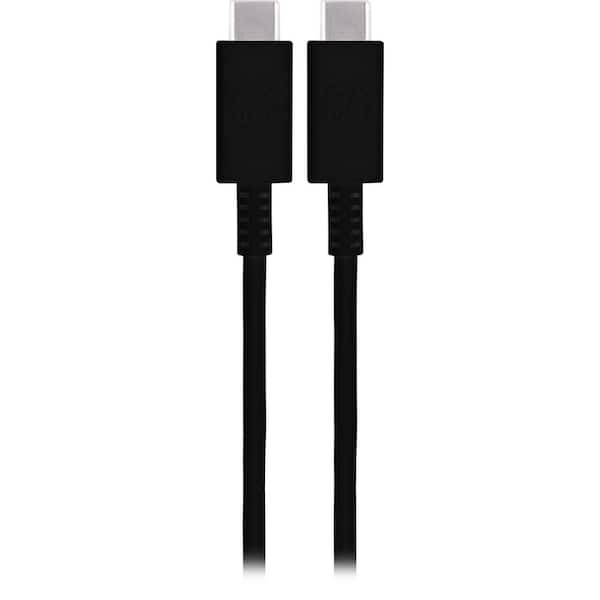
In today’s fast-paced digital world, charging cables serve as the vital link between our devices and the energy they need to function. Whether it's a smartphone, tablet, or laptop, each device relies on these unassuming cords to rejuvenate its battery and maintain connectivity. Without them, our reliance on technology would falter, shortening the lifespan of our digital companions and limiting our ability to engage with the world around us. The role of charging cables goes beyond mere practicality; they symbolize the connection we have with our devices, providing the necessary power to fuel our daily lives.
Moreover, the variety of charging cables available today—from USB-C to Lightning—reflects the evolving landscape of technology. With innovations in fast charging and universal compatibility, these cables have transformed into more than just functional tools; they encapsulate our need for efficiency and convenience. In a world where staying connected is paramount, the importance of reliable charging cables cannot be overstated. These cables not only carry the flow of electricity but also represent our unbreakable bond with technology, ensuring that we remain plugged into life.

Counter-Strike is a highly popular first-person shooter game that has captivated players since its release. With its emphasis on team strategy and skillful gameplay, it has become a staple in the esports community. Players can choose between two teams, Terrorists and Counter-Terrorists, each with their own objectives. For those looking to enhance their gaming experience with accessories, check out the Top 10 Short Charging Cables for efficient charging solutions. The game's tactical depth and competitive nature continue to draw in new players and maintain a loyal fan base.
The evolution of charging cables has been nothing short of remarkable, transitioning from the bulky brick chargers of the early 2000s to today's sleek and efficient options. Initially, charging methods relied heavily on larger adapters designed to deliver substantial power to devices like laptops and early mobile phones. These devices featured proprietary connectors that often limited compatibility, fostering a landscape where users were tangled in an array of cords. As technology advanced, we saw the introduction of standardized connectors such as USB, which revolutionized the way we charge our devices, enabling users to rely on versatile cables that could power multiple devices with ease.
Today, we are witnessing a further transformation in the realm of charging cables, with the rapid rise of wireless charging technologies. This innovation has significantly changed the user experience by eliminating the need for physical cords altogether. Wireless charging relies on electromagnetic fields to transfer energy, allowing devices to charge simply by being placed on a charging pad. Not only does this enhance convenience, but it also helps reduce wear and tear on physical connectors, potentially prolonging the lifespan of our devices. As we continue to embrace these cutting-edge technologies, the future of charging holds even more potential for seamless and efficient power delivery.
In our increasingly digital world, the longevity of your device's battery is essential for maintaining productivity and connectivity. If you find yourself reaching for the charger more often than you’d like, it might be time to reevaluate your charging habits. Prolonging your device's battery life can be achieved with a few simple adjustments to your daily routine. One of the most effective strategies is to avoid letting your battery drain completely before recharging. Instead, aim to charge your device when it falls to around 20%. This practice helps in preserving the overall health of your battery, ensuring it lasts longer and performs better.
Moreover, consider optimizing your device's settings to reduce power consumption. Here are some quick tips to help you get started:
Incorporating these habits into your daily routine can make a noticeable difference in how long your device holds a charge, ultimately helping you avoid the frustration of a dead battery.