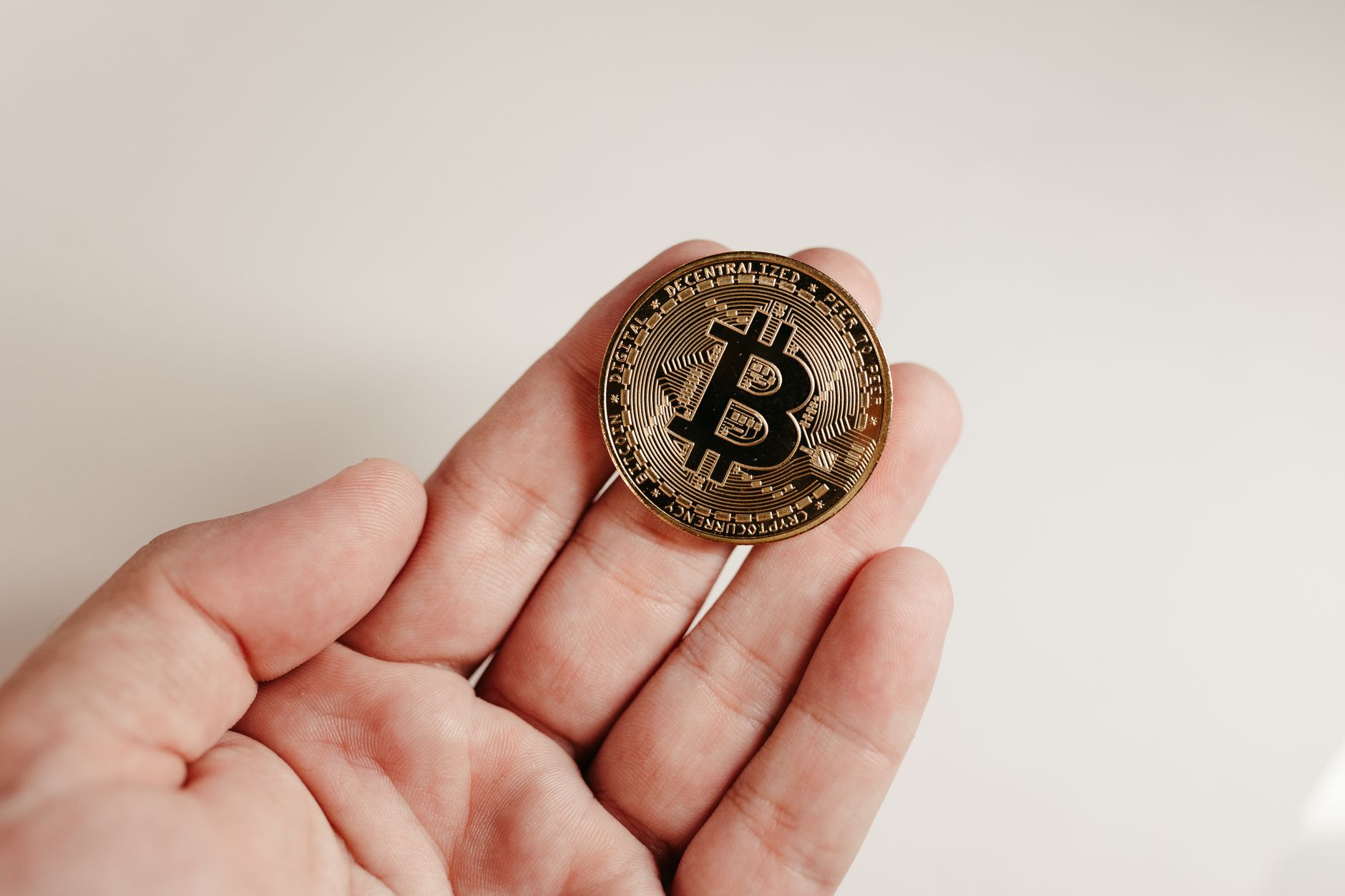
Understanding the Bitcoin Basics: Wallets, Exchanges, and Your First Crypto Purchase (Explained)
Before diving into the exciting world of Bitcoin, it's crucial to grasp a few fundamental concepts. At its core, Bitcoin operates on a decentralized network, meaning no single entity controls it. To interact with this network, you'll need a Bitcoin wallet. Think of a wallet not as a place to store your actual bitcoins (which don't physically exist), but rather as a software application or hardware device that holds your private keys. These keys are cryptographic codes that prove you own a certain amount of Bitcoin and allow you to authorize transactions. Wallets come in various forms, from convenient mobile apps to highly secure hardware devices, each offering different levels of security and accessibility. Choosing the right wallet depends on your individual needs and risk tolerance.
Once you have a wallet, the next step is typically acquiring Bitcoin through a cryptocurrency exchange. These platforms act as digital marketplaces where you can buy and sell various cryptocurrencies, including Bitcoin, using traditional fiat currencies like USD or EUR. Popular exchanges include Coinbase, Binance, and Kraken, each offering different fee structures, trading pairs, and user interfaces. Your first crypto purchase usually involves:
- Signing up and verifying your identity (KYC).
- Linking a payment method (bank account, debit card).
- Placing an order to buy Bitcoin at the current market price.
Step into the exciting world of a crypto casino, where you can experience the thrill of gambling with the added benefits of blockchain technology. These platforms offer enhanced security, faster transactions, and often a wider variety of games compared to traditional online casinos. Enjoy anonymous play and potentially higher payouts in a decentralized gaming environment.
Depositing Bitcoin to Your Casino Account: A Step-by-Step Guide with Common FAQs & Troubleshooting Tips
Depositing Bitcoin into your online casino account might seem daunting initially, but it's a straightforward process designed for efficiency and security. To begin, you'll need a Bitcoin wallet, which acts as your digital bank account for cryptocurrencies. Popular options include hardware wallets for maximum security or software wallets like Electrum or Exodus for convenience. Once your wallet is set up and funded with Bitcoin, navigate to your chosen casino's 'Cashier' or 'Deposit' section. Here, you'll typically find a list of accepted payment methods, including Bitcoin. Selecting Bitcoin will reveal a unique wallet address – this is crucial.
Always double-check this address before initiating a transfer, as funds sent to an incorrect address are irrecoverable.Copy this address carefully, then paste it into your Bitcoin wallet's 'send' field, specifying the amount you wish to deposit. Confirm the transaction, and your funds should appear in your casino account within minutes, often after just a few network confirmations.
While depositing Bitcoin is generally seamless, encountering occasional hiccups is possible. A common FAQ revolves around transaction speed. Bitcoin transactions require network confirmations, so minor delays are normal, especially during periods of high network congestion. If your deposit hasn't appeared after a reasonable time (e.g., 30 minutes to an hour), first check the transaction status on a blockchain explorer using the transaction ID (TXID) provided by your wallet. This will confirm if the transaction was broadcasted and how many confirmations it has received. Another frequent issue is entering the wrong wallet address.
As mentioned, this is a critical error, so always verify. If you've made a mistake, contact your casino's support immediately, though recovery is rarely possible.Lastly, ensure you're sending Bitcoin (BTC) and not another cryptocurrency, as sending an incompatible coin to a Bitcoin address will result in lost funds. When in doubt, consult the casino's FAQ or their customer support for personalized assistance.